



Emergency Preparedness Flashlights


Frequently Asked Questions
- Why isn't my phone's flashlight good enough for a power outage?
Unlike your phone's flashlight, a purpose-built LED flashlight offers longer runtime, brighter light, and greater durability in tough conditions. More importantly, in a real emergency you need your phone battery available for communication, updates, and contacting family or emergency services - not for lighting your kitchen.
- What's the difference between a flashlight and a lantern for emergency use?
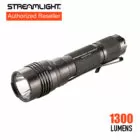
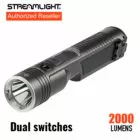
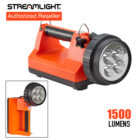
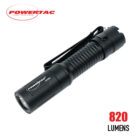
They serve different purposes and work best together. Flashlights produce a focused, directional beam designed to help you see specific objects or areas - a breaker panel, a dark hallway, or a car engine. Lanterns provide wide illumination that brightens an entire room or space rather than lighting one spot. A flashlight gives you control and mobility; a lantern gives you comfort and visibility for a wider area. Relying on just one can limit you - having both gives you flexibility, safety, and peace of mind.
- Should I buy rechargeable lights or stick with disposable battery ones?
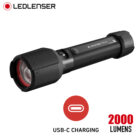
Both have a place in a good emergency kit. Rechargeables are great if you have access to power, while disposable batteries - especially lithium - are better for long-term storage. The best strategy is to use rechargeable lights as your primary sources and keep a supply of fresh batteries on hand as backup. Rechargeable lights that can also be powered by AA or AAA batteries offer the best of both worlds.
- How bright should an emergency flashlight or lantern be?
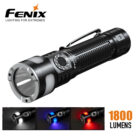
When comparing lights, don't just look at maximum runtime on the brightest mode - focus on how long they run on low or medium, because those are the settings you'll use most during a long blackout. More lumens isn't always better. For most home emergency use, a flashlight in the 300–1,000 lumen range and a lantern providing steady, diffused room-level light are more than adequate.
- Is a headlamp useful for emergency preparedness?
Absolutely. Headlamps are ideal for hands-on work during outages or outdoor emergencies - they free up both hands for cooking, making repairs, tending to children, or navigating stairs and tight spaces in the dark. Including at least one headlamp per household is a smart addition to any emergency lighting plan.
- What features should I look for in an emergency lantern?
Look for lanterns with adjustable brightness settings to conserve battery during extended outages. Other valuable features include a hanging hook or magnetic base for hands-free use, a collapsible or compact design for easy storage, USB charging ports to top off devices during a long outage, and weather resistance in case you need to use it outdoors. Lanterns with swappable batteries is also a plus.
- How do I make sure my emergency lights are actually ready when I need them?
Batteries need to be checked and/or rotated every six months to prevent corrosion. For rechargeable lights, make it a habit to charge them before a forecasted storm and several times throughout the year. After any outage, replace any items you've used and recharge your power banks to make sure you're prepared for the next one.
- Should my emergency lighting kit include more than one type of light?
Yes. According to Ready.gov, every household should have multiple light sources in their emergency kit, including flashlights and lanterns with backup power options. A well-rounded kit might include a rechargeable flashlight for mobility, an LED lantern for room illumination and a headlamp for hands-free work.