



Headlamps
A headlamp is one of the most practical lighting tools you can own. By keeping your hands free, it’s equally at home on a jobsite, a hiking trail, a hunting trip, or a late-night dog walk. The right headlamp makes a real difference – choose one that matches how and where you’ll use it most.
Finding the Right Fit
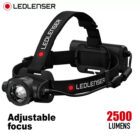
Start by thinking about how you’ll use it. Tasks up close – reading, repairs, cooking at camp – benefit from broad flood lighting, while navigating trails or scanning distance requires a focused spot beam. Many headlamps offer both, giving you the flexibility to switch based on the situation. Multiple brightness levels add even more versatility, letting you conserve battery on easy tasks and crank up the output when you need it most.
The Case for Red Light
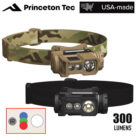
Many headlamps include a red output mode, and it’s more useful than it might seem. Red light provides a soft, low-level glow that’s easy on the eyes in the dark – and unlike white light, it won’t disrupt your night vision. It’s a go-to feature for camping, nighttime navigation, and certain work environments.
Battery Matters
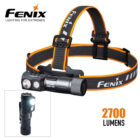
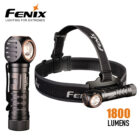
Power source is worth considering carefully. Modern headlamps increasingly use lithium-ion rechargeable batteries, which offer a compelling combination of compact size, light weight, and strong output. Recharging via USB also means one less reason to stock up on disposables.

Frequently Asked Questions
- What is a headlamp used for?
A headlamp is a hands-free light worn on the head - either strapped directly or mounted to a helmet - that directs light wherever you're looking. They're used across a wide range of activities including camping, hiking, running, climbing, cycling, cave exploration, hunting, fishing, construction, electrical work, automotive repair, and emergency preparedness. Any task that requires both hands and reliable light is a headlamp situation.
- How many lumens do I need in a headlamp?
It depends on the task. For close-up work like reading, cooking at camp, or working in an engine bay, 50–150 lumens is sufficient. Trail running and hiking typically benefit from 200–400 lumens. Technical climbing, caving, and search and rescue operations may call for 500–1000+ lumens. Most quality headlamps offer multiple modes so you can dial in the right output for the job and preserve battery life.
- What is the difference between a flood beam and a spot beam on a headlamp?
A flood (or wide) beam spreads light broadly across a wide area - ideal for camp tasks, reading, and close-range work where you need even illumination. A spot beam throws a focused column of light at distance, useful for trail running, hiking, and scanning ahead in the dark. Many headlamps offer both modes or a hybrid beam that blends the two.
- Are rechargeable headlamps better than non-rechargeable ones?
For most users, yes. USB rechargeable headlamps are more cost-effective over time, typically deliver higher peak brightness, and are more convenient for frequent users. However, battery-powered headlamps have a real advantage in remote settings - you can carry spares and never worry about finding an outlet. Some headlamps support both, accepting a rechargeable pack or standard non-rechargeable batteries as a backup.
- What does IPX rating mean for a headlamp?
IPX ratings indicate water resistance. IPX4 means the headlamp can handle splashing from any direction - sufficient for most outdoor use in light rain. IPX6 withstands powerful water jets. IPX7 means full submersion up to 1 meter for 30 minutes. For most campers and trail users, IPX4 is adequate. For kayaking, diving, or heavy rain environments, aim for IPX7 or higher.
- What headlamp do I need for running at night?
Trail and road runners need a headlamp that's lightweight, stays secure at speed, and delivers enough lumens to see terrain changes ahead. Look for at least 200–400 lumens, a comfortable low-profile strap system, and a runtime that covers your longest run. Rechargeable models with a battery indicator are ideal so you're not caught in the dark mid-run.
- What is red light mode on a headlamp and why does it matter?
Red light mode emits a low-intensity red beam that preserves your natural night vision - your eyes don't need to readjust to the dark after using it. It's essential for astronomy, hunting, military use, and situations where you want to see without being seen. Many headlamps also include green and blue modes, each with specific advantages for map reading, blood tracking, and water visibility respectively.
- How do I choose a headlamp for camping?
For camping, prioritize runtime over raw brightness - you'll likely use low and medium modes most of the time. A headlamp with 150–300 lumens on high, a red light mode for around camp at night, and 40+ hours of runtime on low is a solid all-around choice. Water resistance, weight, and battery type (rechargeable vs. AAA) are the next factors to consider based on your trip style.
- What is the best headlamp for construction and trade work?
Work headlamps need to be durable, bright enough for detail work in dark spaces, and comfortable for extended wear. Look for models with a wide flood beam, tilt adjustment so you can aim the light precisely, and a rubberized or hardhat-compatible mount. Brands like Streamlight, Petzl, Nightstick, and Princeton Tec make headlamps specifically designed for industrial and trades use.
- Can headlamps be mounted to a hard hat or helmet?
Yes. Many professional headlamps are designed specifically for helmet mounting, using a rubber strap, clip or bracket system that attaches to a hard hat. This is standard in construction, mining, utility work, and fire and rescue. If helmet mounting is a requirement, look for headlamps explicitly rated for hard hat use - not all headlamp straps are designed for it.
- What are the best headlamp brands?
The most trusted headlamp brands among outdoor enthusiasts, first responders, and trade professionals include Petzl, Princeton Tec, Streamlight, Fenix and Nightstick. BrightGuy carries a wide selection across these brands to fit every use case and budget.
- What is the difference between micro USB and USB-C charging?
Micro USB and USB-C are two different connector standards used to recharge headlamps, flashlights and other portable electronics, and the difference matters more than most people realize.
Micro USB is the older standard - the small, asymmetrical connector that only inserts one way. It was the dominant charging port on flashlights, headlamps, and work lights for roughly a decade. Micro USB cables are widely available and inexpensive, but the connector has real drawbacks: it's fragile, wears out faster with repeated use, and must be oriented correctly to insert - which is frustrating in the dark or with gloved hands.
USB-C is the current industry standard and a meaningful upgrade in every practical way. The connector is symmetrical, meaning it inserts correctly regardless of orientation - no fumbling in the dark. USB-C supports faster charging speeds, carries more power, and is significantly more durable than Micro USB. It's also the universal standard now adopted across smartphones, laptops, tablets, and professional tools, meaning you likely already have USB-C cables and chargers throughout your home, vehicle, and jobsite.
Why it matters when buying a headlamp:
If you're choosing between two otherwise similar headlamps - one with Micro USB and one with USB-C - choose USB-C every time.Quick comparison:
Insertion: Micro USB is directional (one way only) - USB-C is reversible (either way)
Charging speed: USB-C supports significantly faster charging
Durability: USB-C connectors are more robust and rated for more insertion cycles
Availability: Both are currently widely availableBottom line: If you're investing in a rechargeable flashlight today, USB-C is the right choice for convenience, longevity, and compatibility with the rest of your gear.