



Cycling Flashlights and Headlamps
Frequently Asked Questions
- How many lumens do I need for a bike light?
It depends on where you ride. For lit city streets where the goal is being seen, 100–300 lumens is plenty. For unlit roads and paths where you need to see the surface, look for 600+ lumens. More isn't always better in traffic - a very bright light aimed too high can dazzle drivers, so angle it slightly down.
- Should I mount my light on the handlebars or my helmet?
Handlebar lights keep a steady beam on the road and are the best single-light choice. Helmet lights follow your line of sight, letting you look through corners, check signs, and point your beam at drivers to make sure you've been noticed. Serious night riders often run both: bars for the road, helmet for where you're looking.
- Is a flashing or steady light better for cycling?
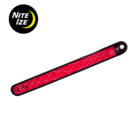
In daylight and city traffic, flashing modes grab drivers' attention far better and extend battery life. At night, a steady beam is usually better up front - it lets you see the road and makes it easier for others to judge your speed and distance. A common setup is a steady front beam with a flashing rear light. Note that a few jurisdictions restrict flashing front lights, so check local rules if you ride somewhere with specific regulations.
- Do I legally need lights on my bike?
In most U.S. states, riding at night requires a white front light and at least a red rear reflector, with many states requiring or recommending a red rear light. Requirements vary by state, so check your local traffic code - but a front light/rear light combo will keep you covered nearly everywhere.
- How do I keep my bike light from being stolen?
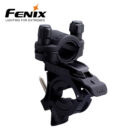
Most lights in this category use quick-release mounts - the bracket stays on the bike and the light pops off in seconds to go in your pocket or bag. Take the light with you when you park; leave only the mount.
- Do daytime running lights actually help?
Yes - studies on daytime running lights show meaningful reductions in cyclist collisions, and it's the reasoning behind the daytime-flash modes on most modern lights. If you ride in traffic, running a bright flash mode front and rear during the day is one of the cheapest safety upgrades available.